
Trends
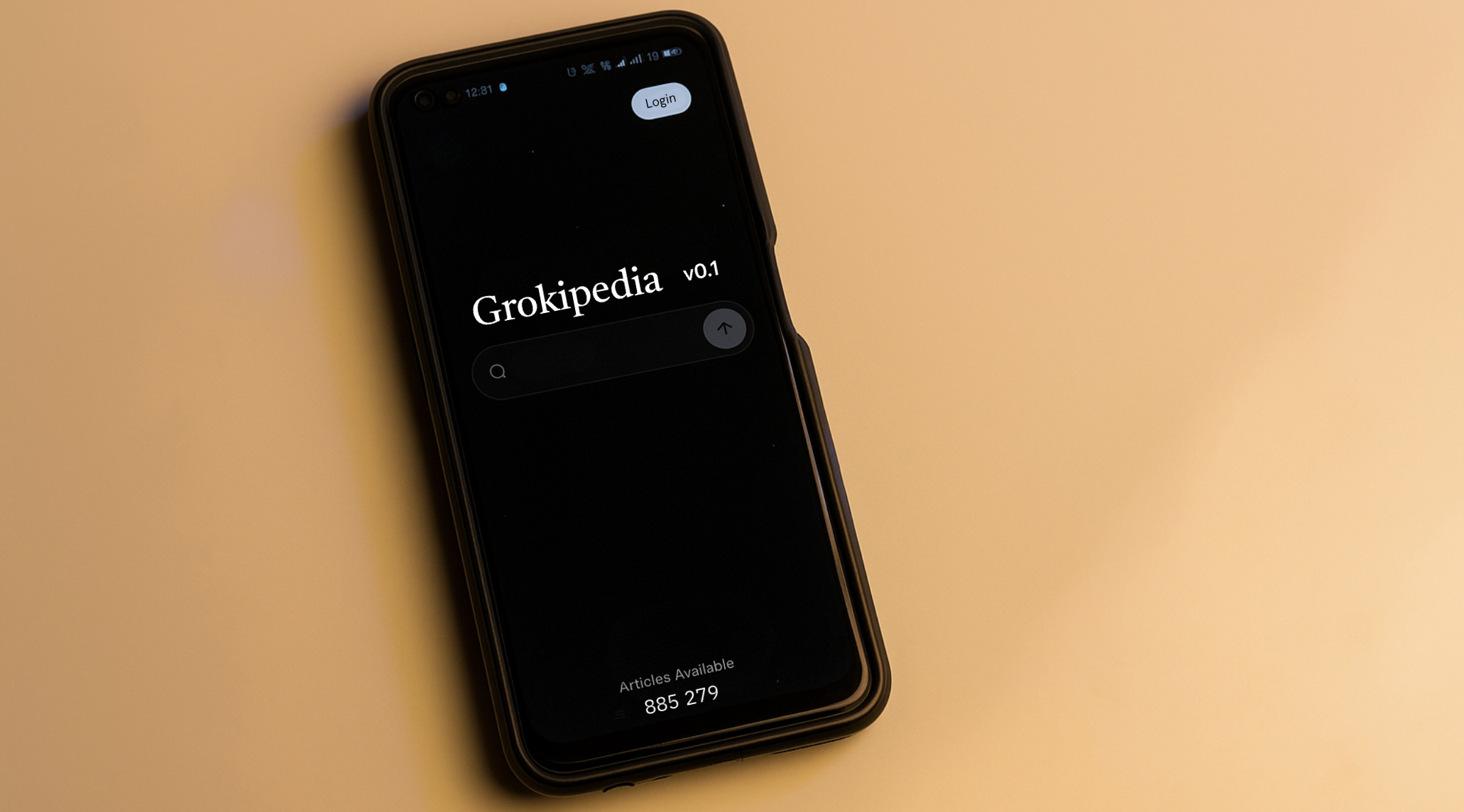
The arrival of Grokipedia in France has sparked a lot of discussion. This new encyclopedia, imagined by Elon Musk, aims to rival Wikipedia by using artificial intelligence (yes, even we are tired of seeing AI everywhere!). At first glance, the idea sounds promising: an encyclopedia that is more neutral, faster to update, and entirely driven by algorithms.
But behind this ambition lie some major questions: can we really trust an encyclopedia managed almost exclusively by AI? Can algorithms truly be neutral? And most importantly, could Grokipedia one day replace Wikipedia? Our article explores the answers.
Grokipedia is an encyclopedia created by xAI’s AI model, Grok. It provides short, up-to-date information based on a wide range of sources, including social media. Its goal is to offer a more dynamic alternative to traditional encyclopedias like Wikipedia.
Elon Musk claims he wants to build an encyclopedia that is more neutral and less influenced by human opinions.
👉 Grokipedia articles are written and verified by AI, rather than by thousands of volunteer contributors as is the case with Wikipedia.
Grokipedia’s main strength lies in its artificial intelligence. It analyzes massive amounts of data, sorts information, and updates articles automatically.
But these promises also come with limitations…
Elon Musk claims his encyclopedia will be more neutral than Wikipedia. However, an AI is never entirely neutral: it learns from data that can itself be biased. So even with good intentions, there is no guarantee that Grokipedia will truly be more objective.
In France, source reliability is a major issue, especially in education.
Even an AI can amplify errors or biases present in its training data. Maintaining reliable information therefore becomes a real challenge.
Wikipedia shows everything: who writes what, who edits what, and which sources are used. Grokipedia, on the other hand, remains very opaque:
This lack of visibility may reduce user trust.
If Grokipedia continues to grow, it could have a significant impact on:
But only if it proves to be reliable…
Grokipedia is an ambitious project, as is often the case with Elon Musk. An AI-driven encyclopedia capable of improving itself could transform the way we access knowledge.
But its future depends on one crucial point:
👉 its ability to be truly reliable, transparent, and neutral.
Until these issues are resolved, it is hard to imagine Grokipedia dethroning Wikipedia, one of the world’s largest collaborative encyclopedias.

Tips
May 19, 2025

Trends
May 19, 2025

Trends
May 19, 2025
.png)

